
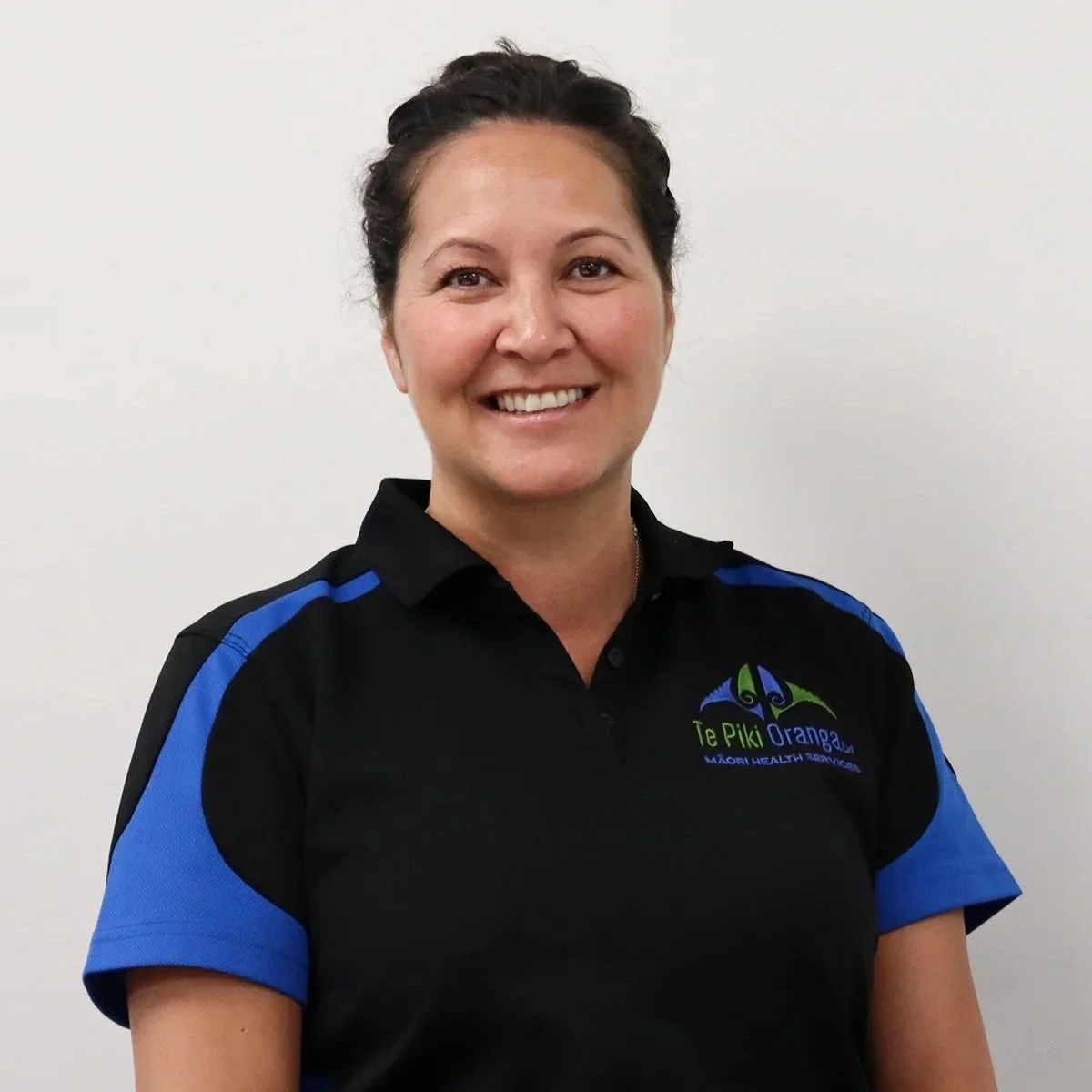
Alaine Huata is our Pou Hinengaro Mental Health and AOD Service Delivery Manager. She writes about a pilot project that took place over winter that proved to make a difference to whānau Māori experiences in the hospital emergency deparment.
Our kaiāwhina had the opportunity to work alongside whānau accessing hospital emergency department and urgent care services during a 16-week pilot project, from 28 May to 18 September 2026.
For whānau, a visit to an emergency department can come at an already difficult or uncertain time. The initiative recognised that alongside receiving clinical care, the practical things matter too: having someone check in during a long wait, being offered kai, water or a warm blanket, having support for a caregiver, or simply having someone there to help whānau understand where they are in their journey.
Through manaakitanga, whakawhanaungatanga and culturally responsive engagement, kaiāwhina (also known as pūkenga manaaki or whānau navigators) worked alongside Māori, Pasifika, kaumatua and vulnerable adults to provide reassurance, practical assistance and connection throughout their time in urgent care.
Importantly, their support often extended beyond the immediate reason someone had come through the doors. Kaiāwhina were able to identify wider health and social needs and help whānau connect with services that could continue to support them once they left. These connections included Te Piki Oranga, Te Waka Hauora, social work, maternity services, community nursing, general practice, home support and aged residential care services.
The initiative also highlighted some of the very practical barriers that can affect a whānau health journey, including transport, rural access, uncertainty and anxiety, and outdated contact information. Having Kaiāwhina present provided another layer of support, helping bridge the space between clinical care, whānau and the services available within the community.
Just as importantly, positive relationships have developed across the service. Early observations from the initiative indicate that the Kaiāwhina role complements clinical and specialist services by bringing a culturally safe, person-centred approach to the experience of whānau.
At its heart, the initiative has demonstrated something simple but important: sometimes making a difference to someone's healthcare experience begins with being present, listening, offering practical support and ensuring whānau feel seen, supported and connected.