Te Pae Oranga
Iwi Community Panels
The Iwi Community Panel process is a type of restorative justice process. We facilitate panels in partnership with the Police, for people aged 14 and older.
The aim is that a participant, who has committed minor criminal offending, goes on to repair the harm they have caused.
The panel process is an effective alternative to court processes, with proven success in reducing re-offending.
Me pēhea te mahi?
How does it work?
-
After being arrested for an offence which police deem to be eligible to be heard by an Iwi Community Panel, the participant is given the choice by the Police of attending a panel hearing or having the matter dealt with by the Police and Court.
-
Before being accepted for an Iwi Community Panel hearing the participant must take responsibility for what he/she has done.
-
Panels are made up of three community people. They are not judges or lawyers. Their job is to decide what should happen as a result of the offence.
The participant can have a support person at the panel hearing (not a lawyer). Ideally, the support person will be a family member or a caregiver.
The police will provide the panel with a summary of the facts. This details the type of offence the participant has been arrested for and the facts leading up to his/her arrest.
The participant is given an opportunity to explain to the panel the reasons for the offending.
The participant will be asked what he/she could do to repair the harm done and to avoid it happening again.
The panel might ask the participant to agree to:
pay for damage caused, or
apologise to the victim, or
take steps to deal with problems that led to the offence, or
do some community work.
-
Should the participant fail to attend a panel hearing, deny the offence or fail to cooperate with the panel by not doing what the panel asks, he/she will be referred back to the police, who may charge the participant with the offence and the matter will be dealt with by the courts.
-
A victim may attend the panel hearing and have the opportunity to speak about how the offence affected him/her, or the victim may:
put this in a letter to the panel together with any claim for reparation, or
have someone attend the panel hearing on his/her behalf.
If a victim chooses not to attend, the community panel members will act with regard to the interests of the victim.
-
Giving the community a voice in the justice system.
Promptly addressing and repairing the harm caused by the offending.
Involving victims in the process.
Keeping low level offenders out of the criminal justice system.
Identifying causes of criminal behaviour.
Reducing the amount of police resources and court workload involved in processing low level offences.
Saving police and court costs.
A pathway to repair harm to victim and/or the community.
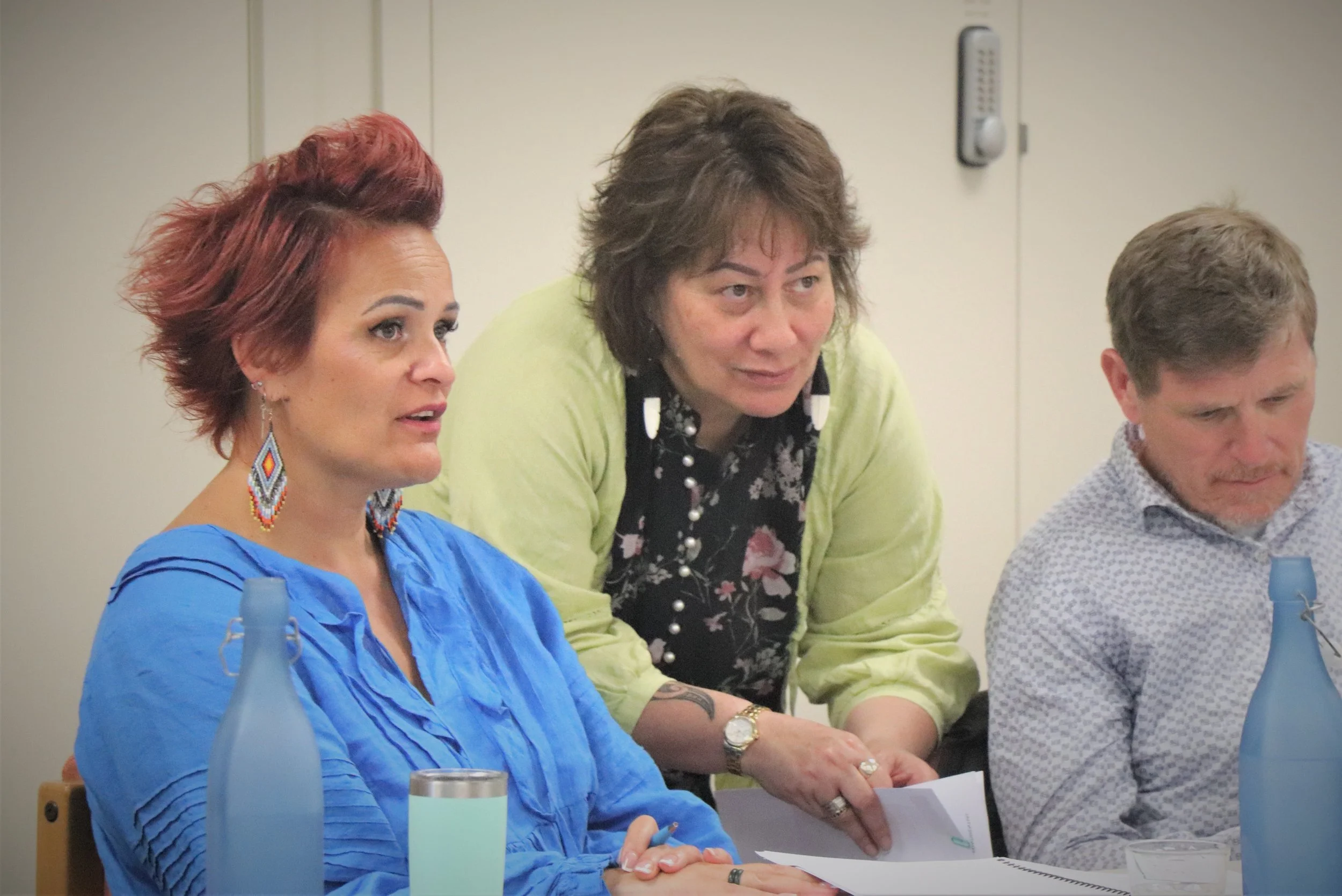
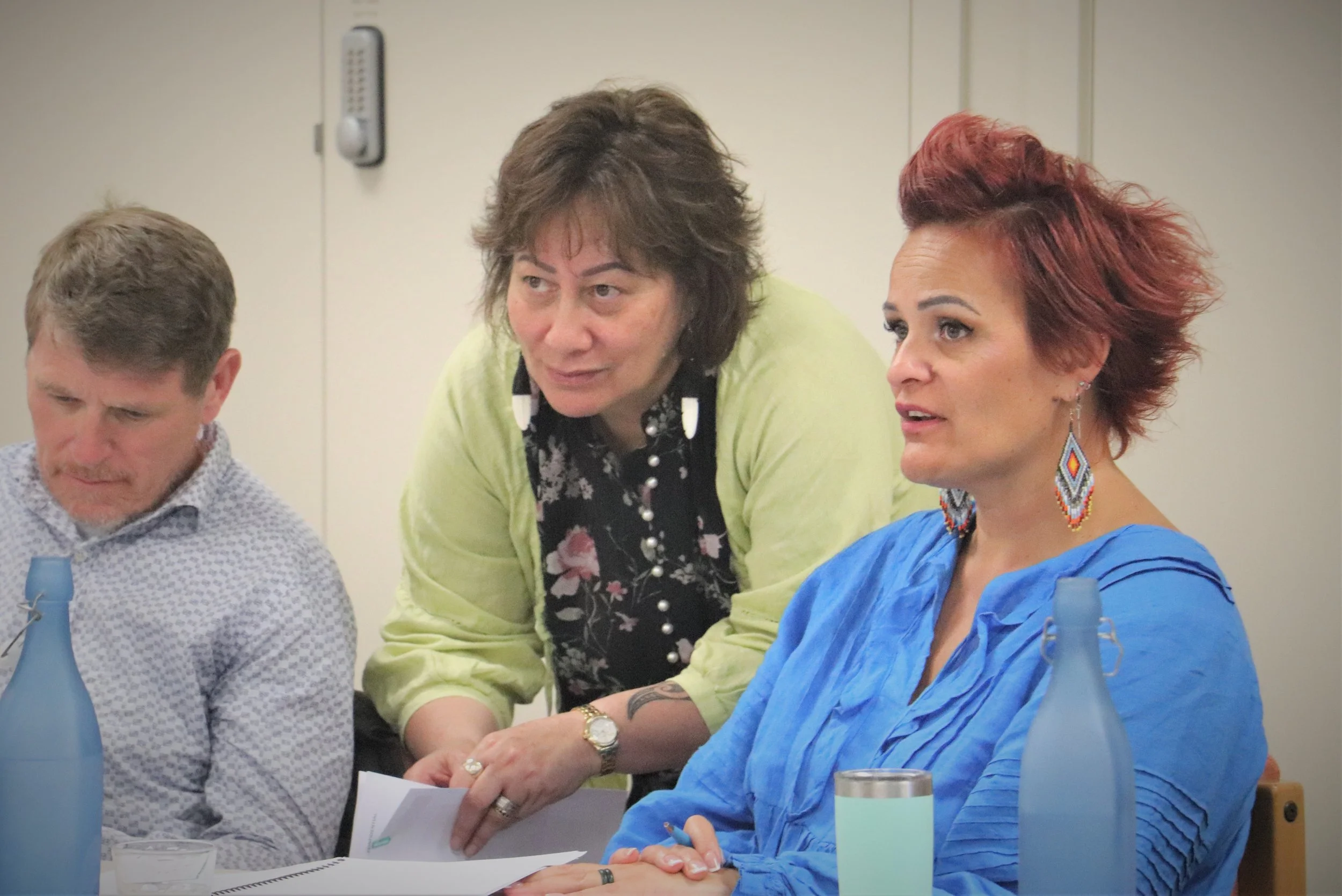
From left: Ngareta Campion, a social worker based in Motueka photographed at a Te Pae Oranga Iwi Community Panel training hui with Teresa Ngaruhe, a Te Pae Oranga panel member.
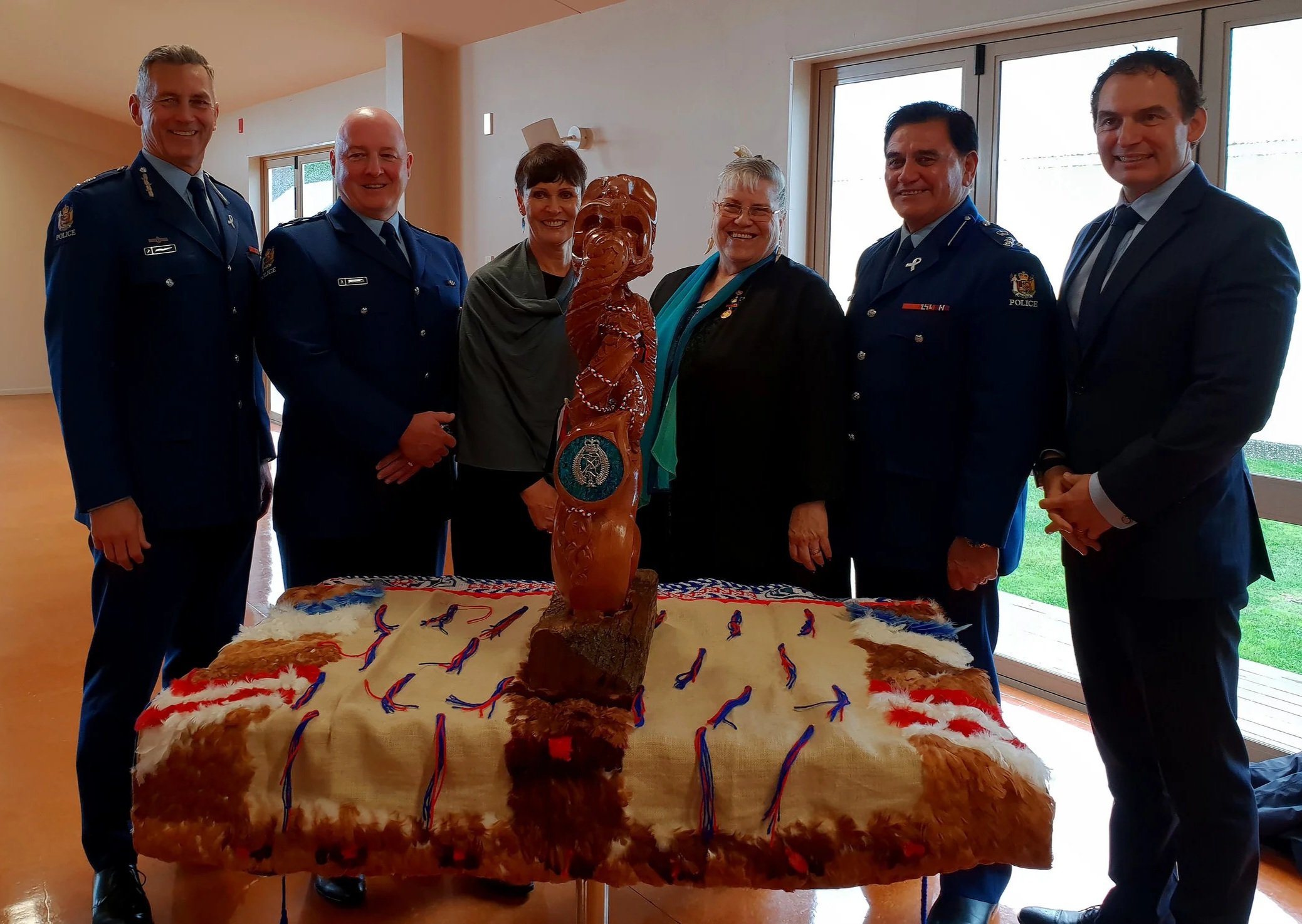
A photograph from the first agreement signed in 2018 with NZ Police to provide Te Pae Oranga panels Te Tauihu.

Kōrero & whakaahua | Stories and photos
-
![Te Pae Oranga Iwi Community Panels]()
Te Pae Oranga Iwi Community Panels
Te Pae Oranga Iwi Community Panels are proving a powerful way of reducing re-offending and improving outcomes for Māori in contact with the justice system.
-
![A restorative justice option for rangatahi]()
A restorative justice option for rangatahi
Since 1 July 2025, Te Pae Oranga Iwi Community Panels programme has been extended with a new offering for rangatahi aged 14-17.